1. The UN labels the crisis as 'the world's worst humanitarian disaster'
More than 30.4 million people across Sudan are in need of humanitarian support.
This figure corresponds to more than half of the country's population.
This is currently the largest humanitarian crisis ever recorded in the region.
2. Sudan is suffering from starvation
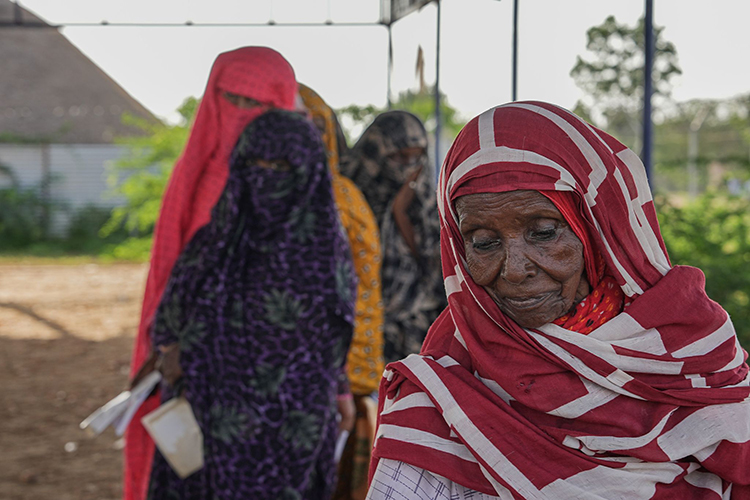
More than 21 million people, accounting for 45% of Sudan's population, are facing acute food shortages.
A recent assessment by Islamic Relief published in October 2025 reveals that 83% of families do not have enough food to get through the day.
3. More than 80% of hospitals are destroyed
Millions of people are deprived of access to basic medical care.
Hospitals that are still functioning are struggling with severe shortages of medicine, supplies, water, and electricity, as well as staff shortages due to displacement.
With healthcare access blocked, Sudan is seeing a resurgence in outbreaks of diseases such as cholera, dengue fever, and malaria.
4. Women and girls are especially at risk
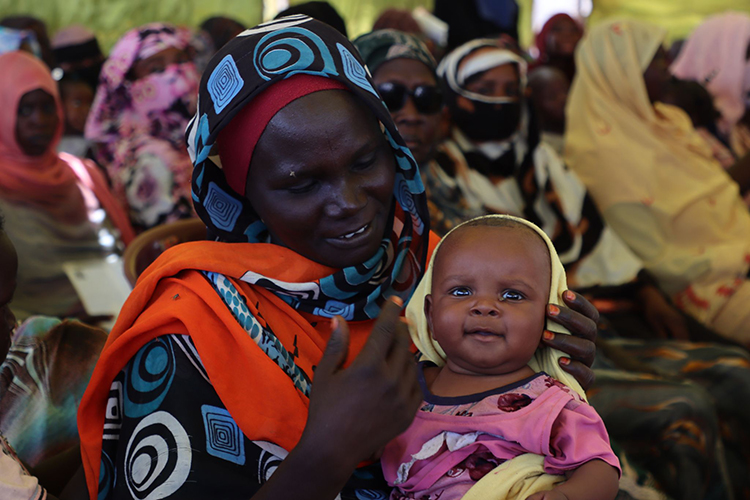
In the environment of conflict and displacement, women and girls face increased risks of sexual violence and other forms of gender-based violence.
According to UN Women, the number of people at risk of gender-based violence in Sudan has more than tripled since the start of the conflict.
While countless women have lost their livelihoods, sexual exploitation, abuse, and human trafficking continue to be widespread.
5. It is the world's largest displacement crisis
Estimates show that 12.8 million people have been displaced since April 2023, with many forced to move repeatedly and live in the open or in makeshift tents.
According to the UN Office for the Coordination of Humanitarian Affairs, approximately 4.4 million people have fled Sudan to neighboring countries such as Chad and South Sudan.
6. Takaayas remain one of the last lifelines
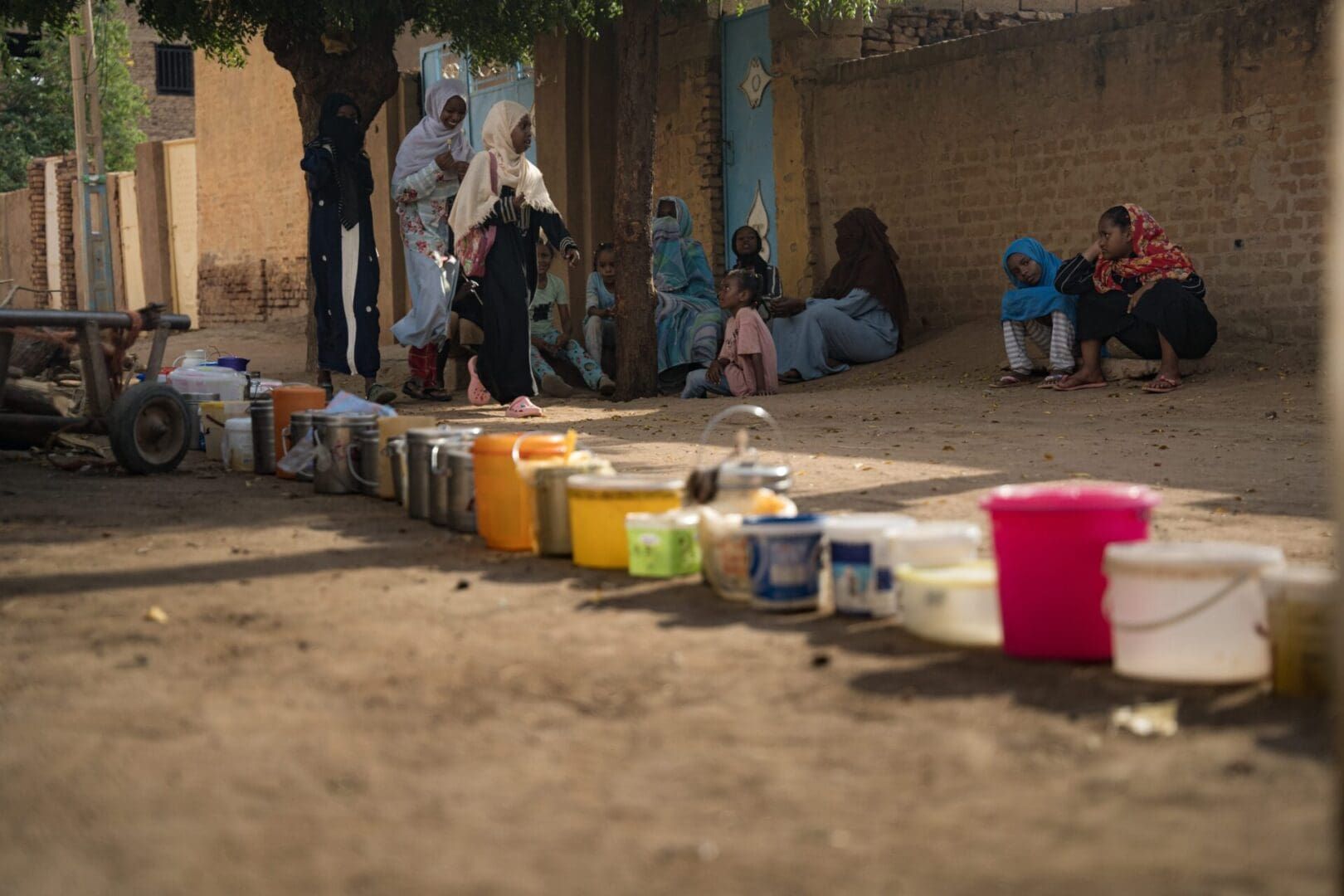
These community kitchens (soup kitchens) provide food to vulnerable communities and are seen as symbols of collective resilience, dignity, and hope.
However, with so many funding cuts occurring, the future of the takaayas remains uncertain.
7. Every region of Sudan is affected by the crisis
The conflict, worsened by climatic shocks in 2025, touches every corner of Sudan.
Food production is decreasing, transport routes are disrupted, the economy is in ruins, and basic foods and commodities remain inaccessible to many people.
8. Suffering preceded the current conflict
Even before violence broke out in April 2023, Sudan was grappling with a nationwide crisis of displacement and food scarcity following a 3-year drought that devastated much of the Horn of Africa.
Since then, life has become even more difficult for the Sudanese people.
9. There is hope for Sudan
While the conflict continues, some positive steps are being taken.
As the Central Bank of Sudan resumes its operations, the Sudanese government recently met in the capital, Khartoum, for the first time in nearly 30 months.
According to the International Organization for Migration (IOM), there is also a temporary influx of more than 3 million people returning to their areas of origin within Sudan.
10. Islamic Relief is providing aid
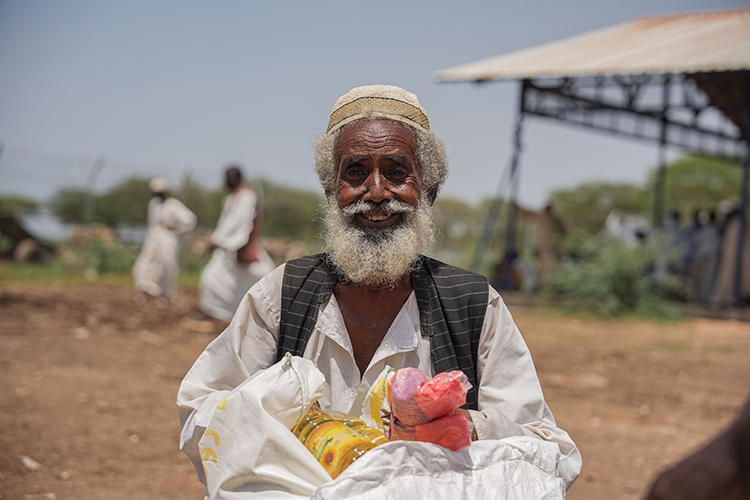
Since the start of the conflict, Islamic Relief has reached more than 1.2 million people with life-saving humanitarian aid.
We provide food, deliver vital medicines and supplies to health facilities, transport clean water, and support farmers with agricultural seeds and livestock.
We will continue to support Sudan throughout and after this crisis.
When the violence ends, we will help rebuild the country.
But for this to happen, Sudan urgently needs a ceasefire and an end to hostilities.
The country has become unrecognizable.
Families are being attacked and torn apart; parents go without food to save their malnourished children while trying to survive in unimaginable conditions.
Islamic Relief calls on international governments to revitalize efforts to end the conflict.
Help Islamic Relief support people in desperate need of aid as we continue to call for action in Sudan.