What is Aid? The Essence of Human Solidarity, Mutual Support, and Islamic Compassion
Aid (or assistance) is the unconditional provision of material, medical, emotional, or practical support to an individual, living being, or community facing hardship, with the sole purpose of alleviating suffering and restoring dignity. Representing the concrete manifestation of human empathy, mutual aid has served as the foundational pillar of civilizations across history.
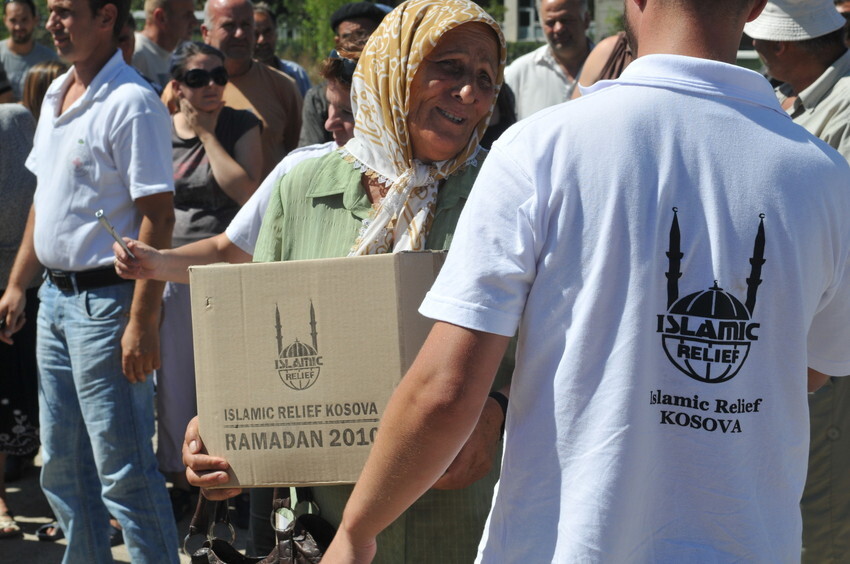
The Islamic Ethics of Mutual Assistance (Ta'awun)
In Islamic scholarship and teachings, mutual aid (ta'awun) is defined as actively sharing the burdens of others and cooperating in righteous deeds. Far from being a sporadic gesture, assisting others is an integral ethical obligation that preserves the social fabric and cultivates collective peace.
Divine Injunctions on Mutual Assistance in Islam
The Holy Quran establishes mutual assistance as an essential hallmark of righteous character. In Surah Al-Ma'idah, God commands:
"Cooperate with one another in righteousness and piety, but do not cooperate in sin and transgression. And fear Allah." — Quran, Surah Al-Ma'idah (5:2)
The Prophet Muhammad (peace be upon him) compared the community of believers to a single human body: "The believers in their mutual kindness, compassion and sympathy are just like one body. When one of the limbs suffers, the whole body responds to it with wakefulness and fever." Furthermore, he affirmed that whoever relieves a hardship for a fellow human being in this world, God will relieve their hardship on the Day of Judgment.
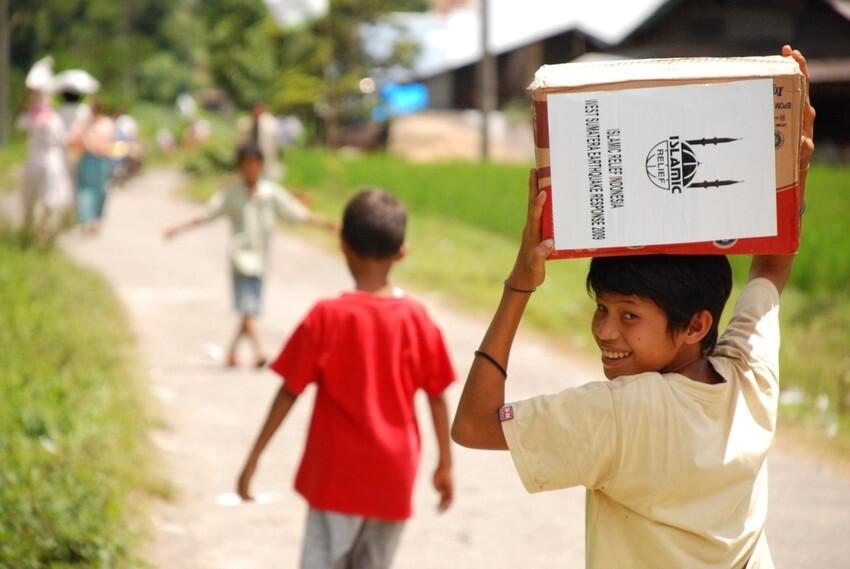
Key Dimensions of Aid and Support
Aid encompasses diverse interventions depending on the nature of adversity and urgency:
Material & In-Kind Aid
Direct supply of emergency food rations, clean drinking water, winter clothing, hygiene kits, and emergency cash assistance.
Medical Assistance
Deploying mobile clinics, surgical equipment, trauma kits, and essential medications to areas affected by conflict and epidemics.
Social & Child Protection
Comprehensive orphan care, psychosocial support for traumatized families, and safeguarding vulnerable women and elders.
Sustainable Development
Vocational training, agricultural tools, and clean water wells that empower impoverished communities toward self-reliance.
Global Crises and the Imperative of Humanitarian Aid
According to United Nations humanitarian assessments (UN OCHA), over 300 million people worldwide require urgent humanitarian aid and protection due to ongoing wars, severe droughts, and economic turmoil.
In an interconnected world, providing aid is not merely a noble charity; it is an indispensable duty to safeguard human life, foster equity, and keep global compassion alive.
Islamic Relief Türkiye: Aid Delivered with 5 Core Values
All field interventions and humanitarian programs are executed under five fundamental ethical principles:
- IHSAN (Excellence): Ensuring the highest standard of efficiency, quality, and human dignity in aid delivery.
- IKHLAS (Sincerity): Operating purely for the pleasure of God and the well-being of beneficiaries.
- ADL (Justice): Distributing assistance impartially without discrimination based on faith, ethnicity, or gender.
- RAHMAH (Compassion): Approaching human suffering with profound empathy, humility, and care.
- AMANAH (Custodianship): Safeguarding donor funds and beneficiary rights with unwavering accountability and transparency.
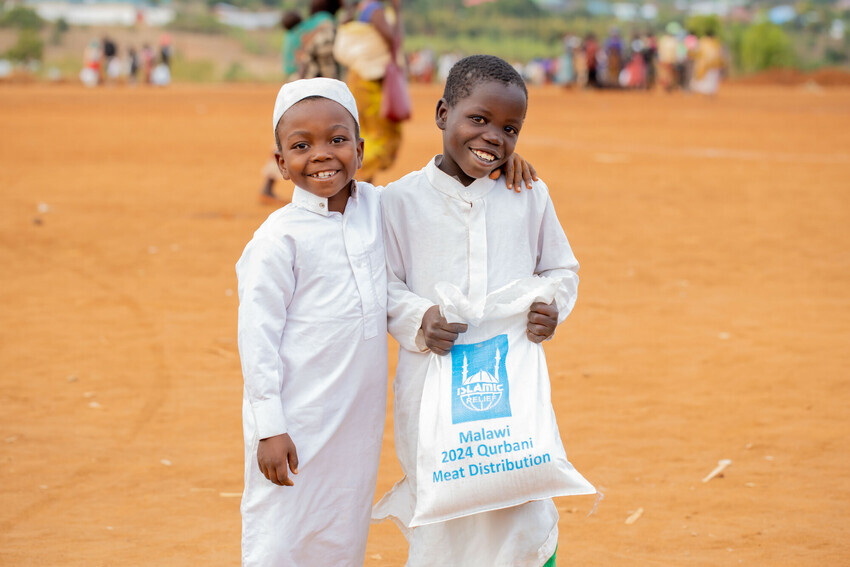
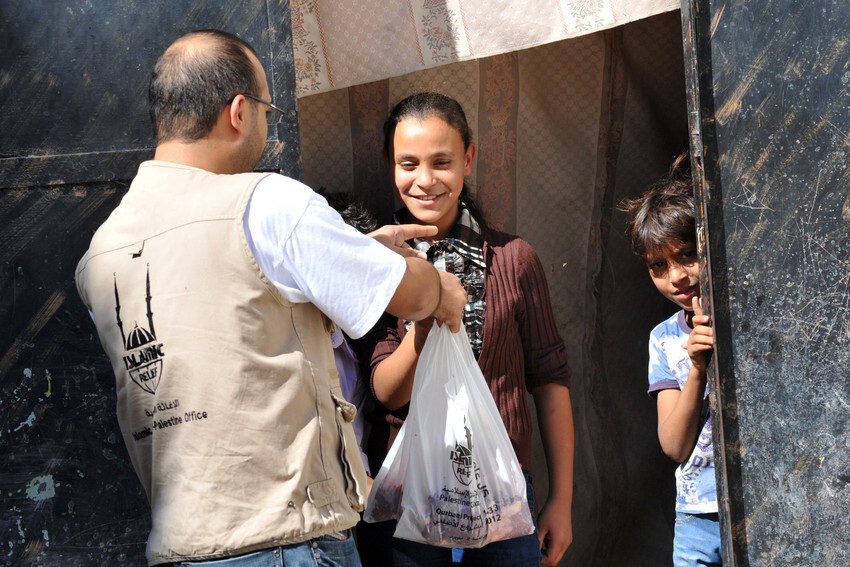
Field Highlights: The Impact of Humanitarian Aid
Click any image to view in full-screen lightbox. Use navigation buttons to browse:
Direct, transparent, and trusted humanitarian giving.