What is Infaq? The Spirit of Giving in Islam and Global Social Solidarity
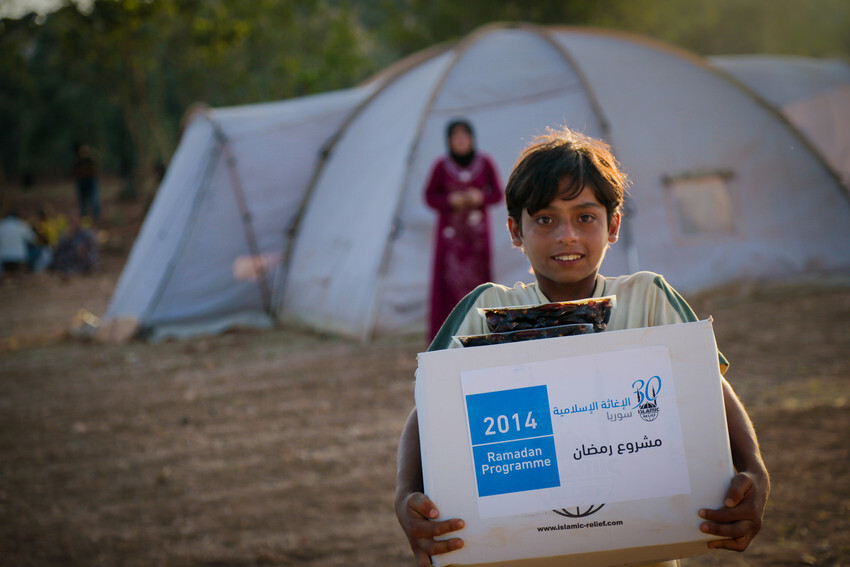
Infaq refers to spending one's lawful wealth and material possessions for the sake of God to support the impoverished, orphans, kin, and broader community welfare. Derived from the Arabic root meaning to disburse and preserve through productive circulation, Infaq represents the overarching moral architecture connecting personal faith with social justice and compassionate charity.
Theological Understanding of Infaq
Islamic scholars define Infaq as the conscious act of utilizing divine gifts not merely for personal consumption, but in avenues of righteousness approved by God. Infaq is not reserved exclusively for the wealthy; it constitutes a lifelong spiritual habit practiced according to one's capacity.
Characteristics of Those Who Practice Infaq in the Quran
Throughout the Holy Quran, Infaq is repeatedly paired with regular prayer, highlighting it as an essential pillar of genuine piety. In Surah Al-Baqarah, the believers are described:
"Who believe in the unseen, establish prayer, and spend out of what We have provided for them." — Quran, Surah Al-Baqarah (2:3)
The Quran also emphasizes that true generosity shines during hardship as well as prosperity: "Who spend [in the cause of Allah] during ease and hardship and who restrain anger and who pardon the people" (Surah Ali 'Imran, 3:134). Infaq purifies the soul from greed and guarantees dignity to the needy.
Understanding Infaq, Zakat, and Sadaqah
While often used interchangeably in casual discourse, these three terms occupy distinct juristic roles:
Infaq
The comprehensive umbrella covering all righteous expenditures, including obligatory alms (Zakat), mandated seasonal gifts (Fitrah), and voluntary charity.
Zakat
An obligatory annual levy of a specific proportion (usually 2.5 percent) on qualifying wealth held above the Nisab threshold for one lunar year.
Sadaqah
Any voluntary act of charity or kindness performed purely for God's sake without limitation to time, minimum amount, or specific wealth categories.
Essential Ethics of Infaq in Islamic Tradition
- Purity of Intention: Spending solely for God's pleasure without reminding beneficiaries of the gift or causing injury (Surah Al-Baqarah, 2:264).
- Lawful Earnings: God accepts only that which is acquired through ethical and lawful (Halal) livelihoods.
- Giving from Valued Possessions: Offering what is honorable and cherished rather than discarding obsolete goods.
- Safeguarding Beneficiary Dignity: Delivering assistance with discretion, humility, and absolute respect for the receiver's human honor.
Global Crises and the Socioeconomic Role of Infaq
According to United Nations humanitarian assessments, more than 300 million people currently endure acute crises triggered by armed conflicts, extreme weather anomalies, and deep economic volatility.
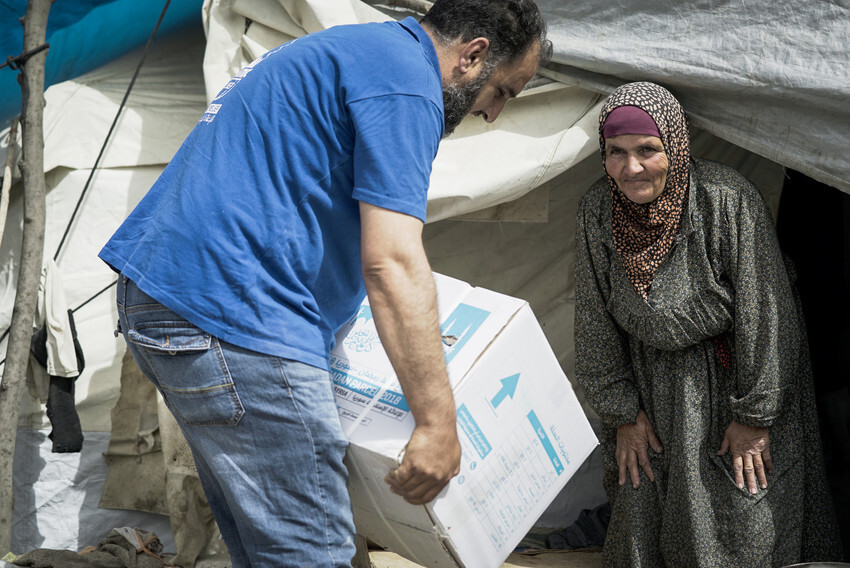
The principle of Infaq serves as a vital socioeconomic stabilizer, preventing the monopolization of capital and cultivating enduring social solidarity across borders.
Islamic Relief Türkiye: Guided by 5 Core Values
All field programs distributing your Infaq donations are grounded in five foundational commitments:
- IHSAN (Excellence): Striving for the highest operational quality and human dignity in every intervention.
- IKHLAS (Sincerity): Dedicating our efforts exclusively to the welfare of vulnerable people and divine accountability.
- ADL (Justice): Ensuring fair aid delivery without discrimination based on ethnicity, creed, or gender.
- RAHMAH (Compassion): Engaging with the suffering of vulnerable families with profound empathy and respect.
- AMANAH (Custodianship): Treating donor contributions and beneficiary rights as a sacred trust with complete transparency.
Field Highlights: Your Infaq in Action
Click any image to view in full-screen lightbox. Use navigation buttons to browse:
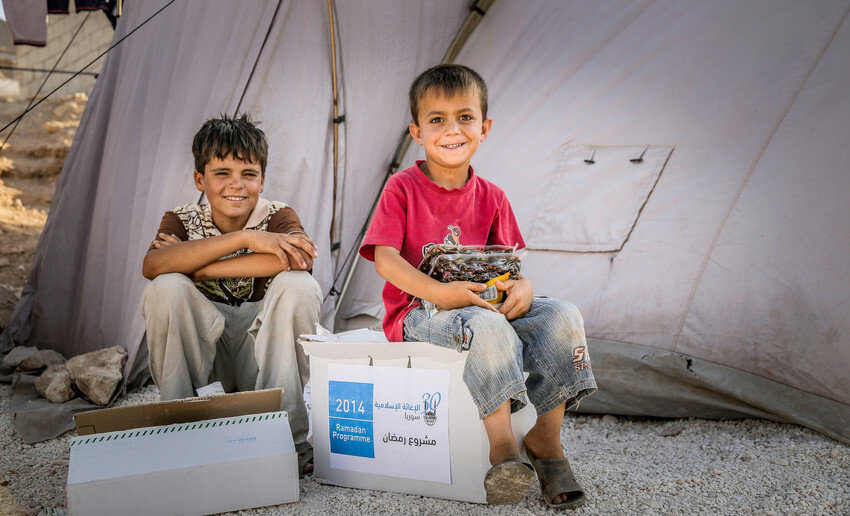
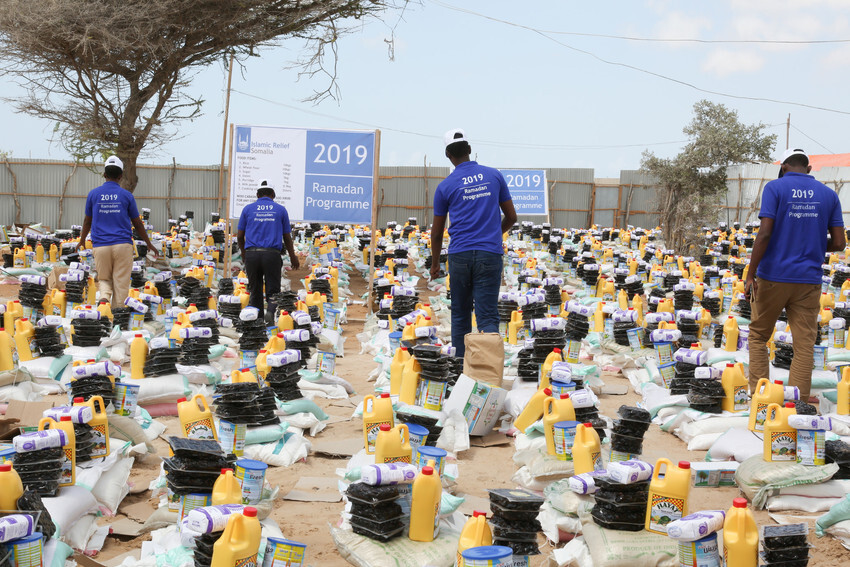
Direct, transparent, and trusted humanitarian giving.