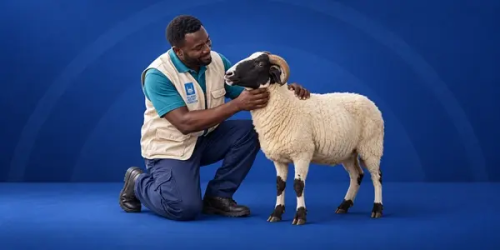
Africa Adak Qurbani
What is a Adak (Vow) Qurbani?
The Arabic term for a vow is "Adak." It refers to a person promising to perform an act of worship, such as those that are obligatory (fard) or necessary (wajib), even though they are not religiously obligated to do so. A vow is a voluntary commitment to religious duties in order to seek Allah's help and support in attaining a desire or avoiding something feared.
A vow sacrifice (Vow Qurbani) is a sacrifice dedicated to Allah upon the fulfillment of a specific wish, and it becomes obligatory (wajib) to perform once the condition is met. At Islamic Relief, we accept your vow trusts with great care, carrying out the sacrifice with full transparency and strictly following Islamic principles, and delivering them to those in need struggling with drought, hunger, and poverty in Africa.
Why Islamic Relief?
We deliver your vow sacrifices as a blessing to the tables of our African brothers and sisters who are battling drought and deep poverty. Your trusts are in safe hands with our slaughtering processes, carried out under strict hygiene rules by carefully selecting animals that are religiously permissible for sacrifice.
Things to Know About Vow Sacrifices
Vows are generally divided into two categories: unconditional and conditional.
- Unconditional Vows: These are vows not tied to any condition. For example, saying "I will sacrifice an animal for the sake of Allah" is an unconditional vow and can be fulfilled at any time.
- Conditional Vows: These are vows tied to a specific condition. For example, saying "If my patient heals, I will sacrifice an animal for the sake of Allah." If the condition is met, the sacrifice becomes obligatory. It is not valid to perform the sacrifice before the condition is fulfilled.
For a vow to be religiously valid, certain conditions must be met by both the person making the vow and the vowed act itself:
- The person making the vow must be Muslim, of sound mind, and have reached the age of puberty.
- The vowed act must be realistically possible, religiously acceptable, and of an obligatory or necessary nature (prayer, fasting, sacrifice, charity, etc.).
- The vowed act must not already be obligatory or necessary for the person.
- Vow sacrifices can only be made from animals eligible for Qurbani; animals like chickens or roosters cannot be used.
The person who made the vow, their spouse, parents, grandparents, children, and grandchildren cannot consume the meat of the vow sacrifice. Additionally, those who possess the Nisab amount of wealth, meaning they are considered religiously wealthy, cannot eat this meat. If any of these individuals consume the meat, the monetary value of the consumed amount must be given as charity to the poor. The fundamental principle is that the entirety of the vow sacrifice meat must be distributed to the poor and needy.